
AI & Startup
Live WireMesa School Bags ₹110 Cr To Launch New On-Campus Courses
This is worth watching because it affects how founders, investors, and operators read the next business cycle.
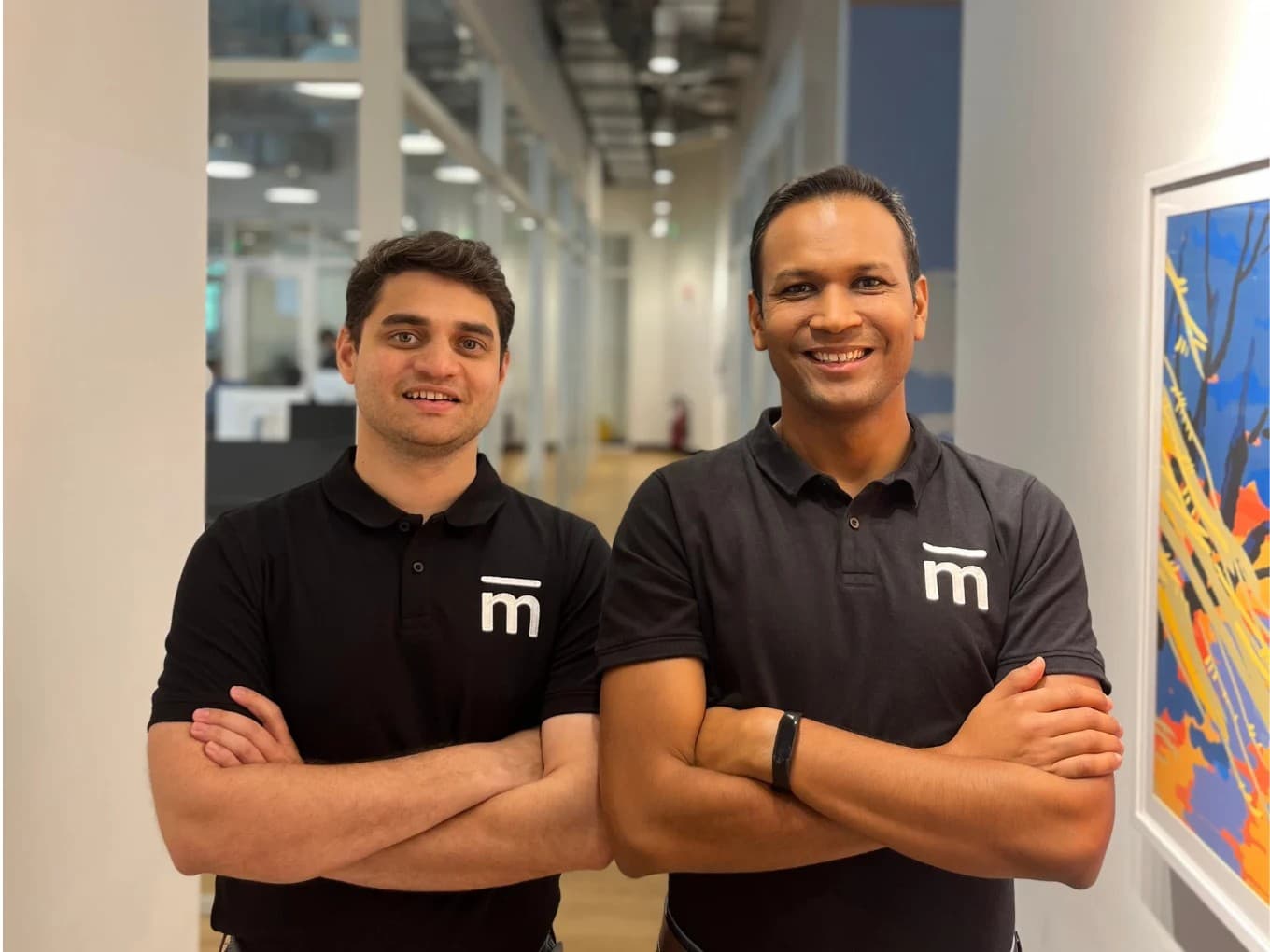
While the ₹85 Cr equity round was co-led by Dharana Capital and Elevation Capital, the remaining ₹25 Cr was raised via venture debt from InnoVen and Alteria
The fundraise comes as Mesa expands its AI-led, industry-integrated business education model, targeting students seeking careers in startups and entrepreneurship
The startup plans to use the capital to scale its existing programmes, launch new offerings and deepen partnerships with startups
While the ₹85 Cr equity round was co-led by Dharana Capital and existing backer Elevation Capital, the remaining ₹25 Cr was raised via venture debt from InnoVen Capital and Alteria Capital.
Mesa plans to utilise the fresh capital to strengthen its leadership team, integrate artificial intelligence (AI) into its programmes, deepen partnerships with startups and launch new courses.
Founded in 2023 by Agarwal and Varun Limaye, Mesa offers on-campus educational programmes for individuals. It currently offers three full-time programmes targeting early-career professionals, fresh graduates and undergraduate students.
While the startup charges ₹25.4 Lakh in tuition fees for its one-year post-graduate programme, its one-year Forge programme for fresh graduates has a starting fees of ₹15.4 Lakh. The undergraduate programme costs ₹48 Lakh over four years.
Despite being one of India’s fastest-growing employment segments, the local startup ecosystem continues to face a talent gap. Speaking with Inc42, Agarwal said that the talent paucity is especially acute in non-technical roles, which account for nearly 80% of jobs in the sector.
While graduates from premier institutions often have established recruitment pathways into startups, students without access to such networks, Agarwal said, lack a structured route to enter the startup ecosystem.
“If you want to go and work in a startup, there is no one place which sort of builds the right network,” he said.
Unlike conventional business schools, Mesa does not employ full-time faculty, relying instead on startup founders, executives and industry experts to design and deliver its curriculum. Around 2,000 industry professionals have interacted with our students in some capacity, Agarwal said.
“The institutions just don’t have the capability or the incentives to keep changing their curriculum and to keep it super agile over time, and that’s where we felt that we should come in and create talent for the startup ecosystem across levels and functions,” Agarwal said.
On the business front, Mesa’s revenue comes primarily from programme fees, which it collects annually and largely in advance. The experienced-professional postgraduate programme contributes around 40% of revenue, while the undergraduate programme accounts for 35-40%. The fresh-graduate programme contributes around 20%, according to Agarwal.
While the startup is yet to achieve profitability, founder Agarwal claims that most of Mesa’s programmes are approaching operational breakeven. Mesa claims to have grown its business around 2.5X annually over the past two years, Agarwal said, projecting that it will continue to grow at a similar pace in upcoming years.
Mesa claims that its first three postgraduate cohorts have produced around 300 alumni, who have joined more than 120 startups. The startup claims that its graduates take up roles across founders’ offices, product management, partnerships, account management and venture capital.
Sourced from KnowledgeLoop